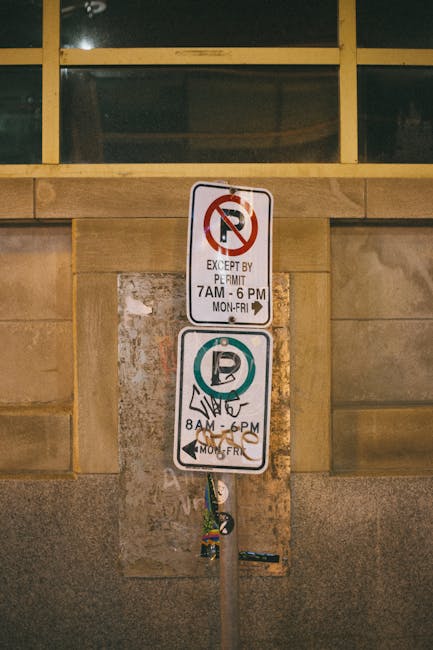
Blackwall estate rubbish removal: parking & permit tips
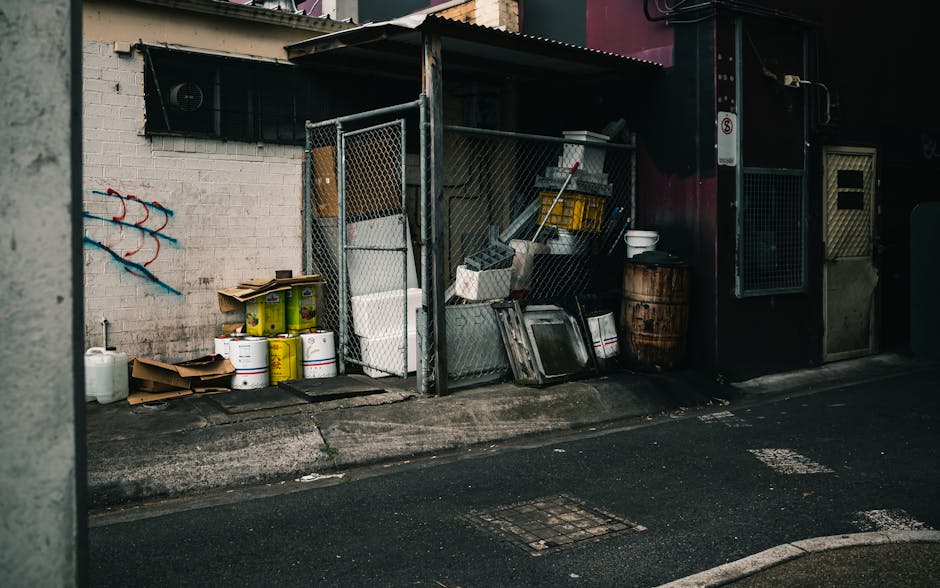
If you are arranging rubbish clearance on a Blackwall estate, the job usually goes more smoothly than people expect - until parking gets in the way. A van that can't stop nearby, a gated courtyard, a tight internal road, or a permit that was never confirmed can turn a straightforward clearance into a slow, stressful morning. That is exactly why Blackwall estate rubbish removal: parking & permit tips matters. The right access plan saves time, protects communal areas, and helps the team get in and out without upsetting neighbours or wasting your day.
This guide walks through the practical side of estate clearances: how parking usually works, when permits may be needed, how to prepare, what mistakes to avoid, and how to choose the right service for a flat, house, office, garage, loft, or mixed-use property. Truth be told, most problems are avoidable with a little planning. And once you know what to check, the whole process becomes much less daunting.
- Why parking and permit planning matters
- How estate rubbish removal works
- Key benefits and practical advantages
- Who this is for and when it makes sense
- Step-by-step guidance
- Expert tips for better results
- Common mistakes to avoid
- Tools, resources and recommendations
- Law, compliance and best practice
- Options and comparison table
- Case study / real-world example
- Practical checklist
- Conclusion
- Frequently asked questions
Why Blackwall estate rubbish removal: parking & permit tips Matters
Blackwall has the kind of layout that can make access easy one moment and awkward the next. Some estates have managed parking bays, some have short stay rules, and some have pinch points where a van can technically fit, but only if everybody else co-operates. A clearance crew can be highly efficient, but only if the vehicle can actually get close enough to load waste safely.
Parking matters for three simple reasons. First, it affects timing. If the van is parked half a street away, moving heavy items becomes slower and more tiring. Second, it affects cost. Extra distance, waiting time, or an unplanned permit issue can add pressure to the job. Third, it affects safety. Good access reduces the chance of damage to railings, lifts, communal halls, flooring, and parked cars. That is especially relevant in estates with shared routes and busy evening traffic.
Permit planning matters just as much. In London, parking controls can be strict, and estates sometimes have their own rules on top of the local restrictions. You do not want the sort of morning where someone is circling the block with a sofa in the back of the van and a polite-but-firm neighbour saying, "You can't stop there." Been there, seen that. It is not fun.
For larger clearances, it also helps to look at the broader service fit. If the job includes mixed items or bulky waste, it may be worth reviewing general waste removal options or a more specific service such as house clearance or flat clearance. Matching the service to the site makes access planning much easier.
How Blackwall estate rubbish removal: parking & permit tips Works
In practical terms, estate rubbish removal is a logistics job as much as a clearance job. The process usually starts with a quick review of access: where the vehicle can stop, how far items need to be carried, whether there are stairs or lifts, and whether the estate has restrictions on vehicles entering internal roads.
Then comes the parking side. Some jobs can use a normal roadside bay if it is available at the right time. Others may need a residents' bay, a visitor space, a loading area, or a temporary permit. On some estates, the permit is not a council permit at all, but a building or managing-agent authorisation. That distinction matters. If you assume the wrong system, you may arrive prepared for one thing and need another entirely.
The best way to think about it is this: access is part of the service, not a side issue. A clear quote should reflect the real setup, including whether there is a lift, whether parking is tight, whether there are steps, and whether items need to be carried through shared corridors. A reputable provider should be able to discuss these points before the job starts. If you want to compare broader service information, the site's pricing and quotes guidance can help you understand what affects the final price.
In many cases, a good clearance team will also advise on item sorting, reuse, recycling, and disposal routes. That is especially useful if you are dealing with furniture, appliances, or a full household mix. For example, old wardrobes may go one way, small electricals another, and builder-style debris somewhere else. If the job involves bulky household items, take a look at furniture disposal or furniture clearance for a better idea of service scope.
Key Benefits and Practical Advantages
Planning parking and permits properly gives you more than convenience. It creates a cleaner, calmer clearance day. That sounds obvious, but in real life it is often the difference between a quick job and an awkward one.
- Less waiting around: the team can start loading immediately instead of hunting for space.
- Better value: fewer delays usually mean a more efficient visit.
- Reduced stress: no last-minute scramble to move a car or chase a permit confirmation.
- Safer movement of bulky items: shorter carry distances help avoid drops, scuffs, and strained backs.
- Less nuisance to neighbours: fewer blocked paths and fewer repeated trips across shared areas.
- Cleaner handover: especially useful if you are letting, selling, or ending a tenancy.
There is also a subtle benefit people do not always think about. When access is sorted properly, the team can focus on the actual removal rather than improvising. That usually means better sorting, better handling, and a tidier finish. In a busy estate, that matters more than people realise.
For specific property types, the benefit becomes even clearer. A loft clearance, for example, can involve lots of small but awkward loads. A garage clearance may include heavier items and odd-shaped waste. A loft clearance service or garage clearance is far easier when a vehicle is properly positioned and the access route has been thought through.
Who This Is For and When It Makes Sense
This topic is relevant to anyone arranging rubbish removal on a Blackwall estate, but a few people tend to need it most.
Homeowners and tenants often need help after a move, a renovation, or a major declutter. If you live in a flat or apartment block, parking can be the main stumbling block. A clearance might be simple in theory, yet the reality is a lift that is small, a courtyard that is tight, and a permit that needs confirming in advance.
Landlords and letting agents need clear timing. When a property has to be turned around quickly, parking delays can push back cleaning, inventory work, and viewings. That is why many of them prefer a predictable service such as home clearance or flat clearance with straightforward communication about access.
Businesses and office managers may be clearing surplus furniture, files, old stock, or refurbishment waste. If the estate includes mixed residential and commercial access, permissions can be a bit fiddly. For those situations, office clearance and business waste removal are often the most relevant routes.
Contractors and tradespeople also need access discipline. Builders' waste on estates can trigger complaints fast if bays are blocked too long or rubble is left in the wrong place. If that sounds familiar, see builders waste clearance for a more project-focused option.
Families clearing a whole property are another big group. If the job is emotionally loaded - perhaps a bereavement, a downsizing move, or a long-overdue sort-out - the last thing you want is parking chaos. A respectful, well-planned approach makes the day feel less overwhelming. That part is worth saying out loud.
Step-by-Step Guidance
Here is the simplest way to plan estate rubbish removal without losing your head over parking. It is not complicated, but the order matters.
- Check the estate rules first. Look for visitor bays, loading restrictions, timed zones, gate access, and any notice you must give the managing agent.
- Confirm the vehicle size. A small van may fit where a larger one will struggle. If the job is large, ask what vehicle type is likely to be used.
- Identify the loading point. Know the nearest practical stop for the van, not just the nearest road on a map.
- Work out whether a permit is needed. This might be a council parking permit, a loading exemption, a visitor pass, or estate approval.
- Tell neighbours if access will be busy. A simple heads-up can prevent complaints and avoid blocked expectations.
- Group items before collection day. Put rubbish near the exit if safe and allowed, so loading is quicker.
- Keep walkways clear. No one wants bags, boxes, or broken furniture cluttering a stairwell.
- Ask about recycling and reuse. Many items do not need to be treated as general rubbish if they can be separated.
- Reconfirm the booking details. A short message the day before can prevent a surprisingly expensive misunderstanding.
A realistic example: if you live on an estate with a narrow access road and only a couple of shared bays, you may need the van to arrive early enough to secure space before peak traffic. That small detail can make the whole morning calmer. No drama. No rushing. Just a tidy handover.
If the clearance includes mixed items from around the home, it can help to browse related services such as garage clearance, garden clearance, or house clearance so you know what kind of access questions to ask.
Expert Tips for Better Results
Good clearance work is rarely about brute force. It is about small decisions made early. A few practical tips can save a surprising amount of time.
Tip 1: Photograph the access route
A couple of clear photos of the parking spot, gate, and entry route can answer questions before they become problems. If there is a low arch, a lift with tight dimensions, or a car park barrier, show it. People often forget how useful one phone photo can be.
Tip 2: Ask about loading distance, not just parking
Two parking spots might look equally good on paper, but one could mean a 20-metre carry and the other a 120-metre one. That difference changes the whole rhythm of the job. It is one of those details that sounds small until you are pushing a wardrobe across a courtyard.
Tip 3: Separate awkward items early
Mattresses, desks, broken chairs, and electricals can slow the flow if they are buried under bags of loose rubbish. Put them together. It helps with sorting and makes the team's job simpler. Simple, but effective.
Tip 4: Check for estate restrictions on engine idling or unloading
Some estates are sensitive about noise, fumes, or loading at certain times. Even if a rule is not heavily signposted, it is wise to respect local quiet hours and loading etiquette. That is especially true early in the morning or later in the evening.
Tip 5: Plan for weather and slippery surfaces
Rain changes everything in London. Wet steps, shiny paving, and a door that keeps swinging shut can make a quick job messier than expected. If possible, clear a dry route and keep absorbent mats handy for the entrance.
One little human habit that helps: keep a pen and paper, or a notes app, ready for permit numbers, contact names, and vehicle details. People forget this sort of thing when they are juggling keys, bags, and estate fobs. Happens all the time.
Common Mistakes to Avoid
A lot of clearance headaches come from a few repeat mistakes. Avoid these and you are already ahead of the game.
- Assuming parking is "probably fine": it may be fine, or it may be strictly controlled. Do not guess.
- Not checking the permit type: estate passes, visitor permits, and council dispensations are not interchangeable.
- Forgetting time limits: some spaces are only available for short windows.
- Leaving items inside the property until the last minute: this slows everything down and can block access.
- Ignoring lift or stair constraints: bulky items often take more planning than the rubbish itself.
- Blocking shared routes: this is one of the fastest ways to annoy neighbours and create avoidable risk.
- Not asking about disposal routes: if you care about recycling or reuse, say so early.
Another common issue is the "we'll sort it on the day" approach. Sometimes that works. Often it does not. Permits are one of those things that are much calmer when handled in advance rather than in a half-panicked phone call from the curb. A bit of prep saves a lot of faff.
Tools, Resources and Recommendations
You do not need fancy equipment to plan a clearance well, but a few tools make life easier.
- Estate map or parking plan: useful for identifying bays, gates, and loading points.
- Phone camera: take photos of the access route and any signs.
- Measurements: rough dimensions of doors, lifts, and awkward corridors help avoid surprises.
- Permit details: keep names, pass numbers, and timings in one place.
- Sorting bags and boxes: handy for separating donate, recycle, and dispose items.
- Labels or sticky notes: especially useful during flat clearances or family home sort-outs.
For service planning, these pages can also help you match the job to the right type of clearance: furniture clearance for bulky household items, office clearance for workplace removals, and home clearance if you are dealing with mixed household contents. If the job is more specialised, the website's about us page and contact us page are useful starting points for asking direct questions.
And if you want to understand wider business priorities such as reuse and responsible disposal, the recycling and sustainability page is worth a look. It gives a clearer sense of how waste can be handled beyond simple collection.
Law, Compliance, Standards, or Best Practice
This part deserves a careful tone. Parking and permit requirements can vary by estate, street, managing agent, and local authority. There is no single rule that covers every Blackwall address, so the safest approach is to verify the exact conditions before the clearance date. That is standard best practice in London, especially where loading spaces are limited or shared.
From a compliance point of view, the main points are straightforward:
- Park only where allowed. Do not assume a loading stop is acceptable if the signs say otherwise.
- Respect private estate rules. Some rules are set by the building manager, not the council.
- Keep access safe for residents and pedestrians. Shared estates can be busy, especially during school-run times and commuter peaks.
- Handle waste responsibly. Sorting for reuse and recycling is a normal expectation for professional providers.
- Use clear communication. Good record-keeping reduces disputes over timing, access, and responsibility.
If you are dealing with renovation debris, it can also make sense to review a service such as builders waste clearance. That helps set expectations around load types, safe handling, and what can be collected in one visit. For service terms, a quick read of the terms and conditions is sensible too. It is the boring bit, yes, but the boring bit often prevents the annoying bit.
For anyone who wants reassurance around professionalism and handling standards, the pages on health and safety and insurance and safety are good trust signals. They show the kind of careful approach you should expect from a proper clearance provider.
Options, Methods, or Comparison Table
There are a few ways to deal with rubbish removal on an estate. The best choice depends on volume, access, and how much planning you want to do yourself.
| Option | Best for | Parking / permit impact | Notes |
|---|---|---|---|
| DIY tip run | Very small loads | Usually requires your own parking planning | Can be cheap, but time-consuming and awkward for bulky items |
| Skip hire | Longer projects or repeated waste | May need placement permission and more space | Useful if the waste will build up, but not always ideal on tight estates |
| Man-and-van clearance | Mixed household or office loads | Often easier to fit around estate access and timed parking | Flexible, especially where lifting and loading are the main issues |
| Specialist clearance service | Bulky, awkward, or high-volume jobs | Usually better at planning access in advance | Good for estates where permits, lifts, or shared areas need careful handling |
For many Blackwall estate jobs, a clearance service is the most practical option because it reduces the need for you to organise transport, loading, and disposal separately. If the items are mainly household contents, house clearance or flat clearance is often the neatest route. If there is a mix of furniture and general waste, the combination of furniture disposal and broader waste removal can be more efficient.
Case Study or Real-World Example
A typical Blackwall estate scenario looks something like this. A resident is moving out of a two-bedroom flat and has a mix of boxes, an old sofa, a dismantled wardrobe, and a few bags of general junk left over from years of storage. On paper, not too bad. But the estate has limited visitor bays, and the service road is narrow enough that a parked car can create a bottleneck fast.
The first step is confirming whether the estate office can issue a temporary permit or whether parking must be arranged in a nearby bay. The resident also checks the lift size and finds that the wardrobe will need to be carried in smaller parts. That small discovery prevents a lot of head-scratching on the day.
On collection day, the clearance team parks as close as permitted, uses the lift for lighter items, and carries the sofa and wardrobe sections through the shortest safe route. Because the resident grouped items in advance, loading is steady rather than chaotic. The job finishes without blocking the entrance, and the neighbours barely notice beyond a bit of foot traffic for a short while.
The valuable lesson here is not that everything went perfectly. It is that the parking plan was sorted before the first bag moved. That made the whole clearance feel calm, and calm is underrated.
In mixed-property situations - say, a small office above residential units, or a flat above a garage - the same logic applies. Access first, rubbish second. Simple enough, but easy to forget when the place is full of stuff.
Practical Checklist
Use this checklist before your Blackwall estate rubbish removal booking.
- Confirm whether the estate has visitor bays, loading bays, or restricted times.
- Check if a council permit, estate permit, or permit notice is required.
- Measure any tight spaces, lifts, stairwells, or gate openings.
- Share photos of the access route with the clearance provider.
- Tell the team about heavy items, fragile items, or awkward furniture.
- Group items by type where possible.
- Keep hallways, entrances, and exits clear.
- Confirm timing the day before.
- Ask about recycling, reuse, and disposal expectations.
- Make sure someone is available to answer access questions on the day.
Expert summary: The best estate clearances are rarely the fastest-looking ones at the start. They are the ones where parking, permits, and loading routes are planned properly, so the actual removal feels almost effortless.
Conclusion
Blackwall estate rubbish removal does not have to be complicated, but it does reward careful planning. If parking is tight, permits are unclear, or access is shared with neighbours, a few extra minutes of preparation can save a lot of noise, stress, and awkward apologising on the pavement. That is the real value of smart parking and permit tips: the clearance feels organised, respectful, and finished properly.
Whether you are clearing a flat, house, office, garage, loft, or a mixed load of bulky items, the same principle applies. Know the access, confirm the permit, and keep the route simple. Do that, and the day gets much easier. Honestly, sometimes the best clearance advice is also the least glamorous.
Get a free quote today and see how much you can save.
If you are planning a clearance in Blackwall and want help matching the right service to the access on site, explore the relevant service pages and get in touch early. A quick conversation now can spare you a lot of hassle later, and that is never a bad thing.
Frequently Asked Questions
Do I need a parking permit for rubbish removal on a Blackwall estate?
Sometimes yes, sometimes no. It depends on the estate rules, the parking layout, and whether the vehicle is stopping in a controlled bay, loading area, or private access road. The safest move is to check with the estate manager or local authority before the booking.
What if the van cannot park directly outside my block?
That is common on estates. The team may need to park in the nearest legal space and carry items a short distance. It is still workable, but it can affect timing, so mention it in advance.
Can a clearance team help with permit questions?
They can usually advise on what information they need, such as bay type, timings, and access restrictions. However, the permit itself is usually arranged by the resident, landlord, managing agent, or through the relevant local process.
What happens if the estate has very limited visitor parking?
Then timing becomes even more important. Early arrival, short loading windows, and clear communication with the estate office can make the job much easier. In some cases, a smaller vehicle is the better option.
Is it better to book rubbish removal early in the day?
Often yes, especially where parking is competitive. Early slots are less likely to be affected by residents returning home, deliveries, or general estate traffic. It is not always essential, but it can help.
How do I prepare for bulky furniture removal on an estate?
Measure doorways and lifts, clear the route, and tell the provider about anything heavy or awkward. If the items include sofas, wardrobes, or beds, mention them clearly so the team can plan the right vehicle and tools.
What should I do with items that might be reusable?
Separate them before the team arrives if possible. Good providers will sort for reuse or recycling where appropriate, which can reduce the amount going to general disposal. It is a small effort that often helps a lot.
Will parking issues make the clearance more expensive?
They can, depending on the extra time or complexity involved. That is why honest access details matter so much. A clear quote based on the real situation is better than a vague estimate that changes on arrival.
Can estate clearances include office or business items too?
Yes, if the provider offers that type of service and the access works for the site. For workplace clear-outs, business waste removal and office clearance are the most relevant starting points.
What if I am clearing a property after a tenancy ends?
Then parking and timing are especially important because cleaners, agents, and new occupants may be waiting behind you. A well-planned flat clearance or home clearance can help the handover move more smoothly.
How can I make sure waste is handled responsibly?
Ask about recycling, reuse, and disposal practices before booking. You can also review the provider's recycling and sustainability information to see how they approach the job. Responsible handling is a normal expectation, not a bonus.
Who do I contact if I still have questions about access or booking?
The best next step is to use the contact page and share your estate details, parking restrictions, and the type of waste you need removed. The more specific you are, the more useful the advice will be.