Office clearance in Blackwall for practical, organised workspace removal

Office clearance in Blackwall should feel structured from the first conversation to the final load-out. Our work covers desks, chairs, storage units, shelving, IT peripherals, archive paperwork, fixtures and mixed office contents, with an approach that keeps items separated for reuse, recycling and disposal where appropriate. If you need a clear-out before a move, a refurbishment or a change in use, we focus on removing the right items in a sensible order and leaving the space ready for what comes next.
Commercial clearances often need more than simply lifting objects away. Access routes can be tight, lifts may be shared, and buildings sometimes contain a mixture of modern equipment and older furniture. That is why we plan the removal around the layout and the type of items involved. We handle straightforward office rooms, larger floors, back rooms and storage areas, while keeping the process practical for landlords, tenants, facilities teams and businesses that want a well-managed service rather than a rushed one.
When you are ready to compare options and request a quotation, a concise description of the items and the space involved is usually the most useful starting point. You can also flag anything bulky, fragile or unusual so the clearance can be matched to the job. For a quick next step, share the basics and ask for pricing in the format that suits you best.
Office furniture and equipment removal
Office furniture clearance normally includes the larger pieces that define how the room is used: desks, meeting tables, filing cabinets, pedestal drawers, cupboards, partition panels and reception furniture. We also remove smaller items that can build up in working areas, such as stools, monitors, printers, keyboards, cable trays and assorted accessories. A well-planned clearance avoids unnecessary damage to floors and walls, especially when items need to be carried through shared corridors or down stairs.
Different furniture types call for different handling. Flat-pack units can often be dismantled in place, while heavier items may need to be moved as complete pieces if the route allows it. Where desks contain fixed cabling or modular sections, the work is best approached in stages so that usable parts are not mixed with general waste. This is especially important when offices are being reconfigured rather than emptied completely, because some items may need to be retained for reuse elsewhere.
How the removal is organised
The most effective clearances tend to follow a simple order: identify what is going, separate what is staying, then move through the space with the heaviest items first. That reduces congestion and makes it easier to protect walkways and door frames. It also helps with sorting, because furniture destined for different routes can be checked before it leaves the room. For mixed contents, we keep an eye on materials such as metal, wood, plastics and upholstered items so they can be handled appropriately.
Clearance for archives, paperwork and stored office contents
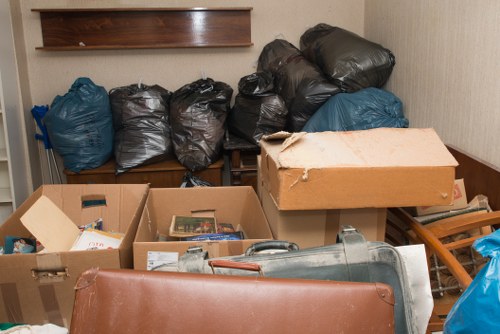
Many offices accumulate archives, boxed records and miscellaneous stored items that are not needed on a daily basis but still take up valuable space. Clearance in this area may include old paperwork, folders, binders, shelving contents, display materials and long-retained miscellaneous stock. We treat these jobs carefully because the contents are often mixed, and not every box is ready to go in one sweep. It is usually better to sort the material into clear groups so that reusable items, confidential material and general waste are not handled in the same way.
Office storage areas can also hide awkward items that have been kept out of sight for years. That can include obsolete computer accessories, spare office chairs, packaging, spare parts and stacked equipment that has never found a proper home. Removing these items can free up the room for working storage, but the process needs a steady pace so labels, box contents and other important details are not lost. We therefore approach archive-heavy clearances with care and a practical sorting method.
For businesses that want a tidy handover, it helps to know which records need to remain secure and which items are ready for removal. Clear instructions save time, especially where boxed files share space with ordinary office furniture. If your storage contains a mix of documents, supplies and old equipment, we can deal with the lot in one organised pass rather than asking you to manage each item separately.
Workplaces, fit-outs and move-on support
Office clearance is often linked to a move, a lease end, a refurbishment or a full fit-out change. In those situations, the aim is not only to remove contents but also to leave the premises in a condition that suits the next stage of work. That may involve clearing a complete suite, taking out redundant furnishings, removing leftover fixtures and dealing with the final loose items that are easy to overlook. The best results come from a tidy sequence rather than last-minute improvisation.
Where a workplace is being altered rather than emptied, we can focus on the areas that matter most: meeting rooms, breakout spaces, storage rooms, private offices and communal sections. This type of work often involves a mixture of items that are still serviceable and items that are clearly at the end of their life. By separating those groups early, the clearance becomes more straightforward and the usable pieces are not mixed into the wrong stream. That keeps the job practical for employers, landlords and managing agents alike.
Useful details before the clearance
Two pieces of information are usually enough to prepare properly: what kind of items need removing, and how the premises are accessed. If there are lifts, loading points, tight stairwells or time restrictions, those details help shape the work. If you can also note any heavy items, delicate equipment or areas that should stay untouched, the clearance can be organised more accurately. A few accurate notes are often better than a long, uncertain list.
Waste sorting, recycling and responsible disposal

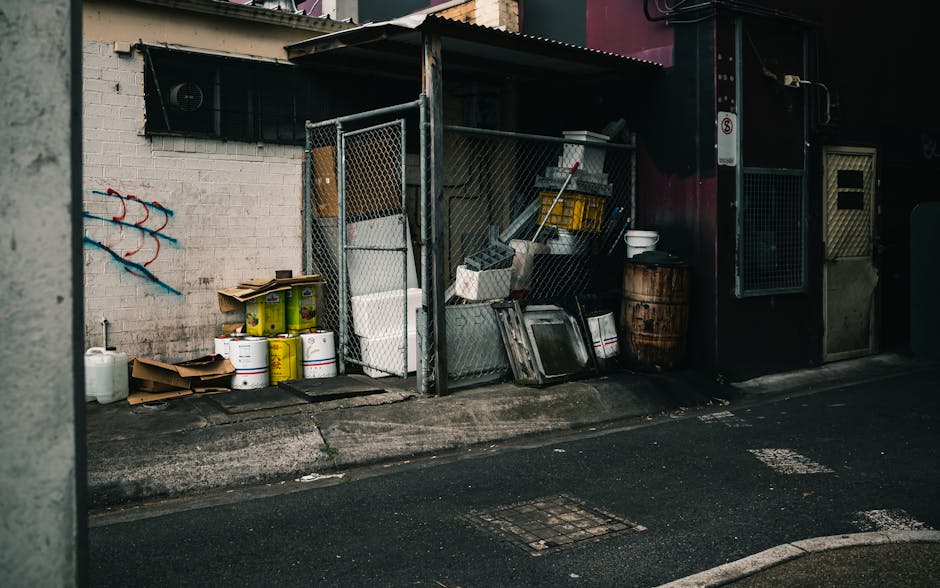
Commercial clearances are not only about removal; they are also about deciding where each type of item should go. Some office contents can be recycled, some can be reused, and some must be disposed of in the proper waste stream. We handle that separation as part of the clearance rather than leaving it to the customer after the job. For many businesses, that is an important part of choosing a service: it reduces disruption and helps the project stay orderly from start to finish.
The most practical approach is to sort items by material and condition as the work progresses. Metal furniture, wood-based desks, mixed plastics and broken fixtures all behave differently once they leave the office. The same applies to electrical items, which need to be treated as distinct from ordinary furniture. A careful method makes it easier to move through the premises without re-handling everything later, and it also helps when the clearance includes both bulky objects and smaller loose pieces.
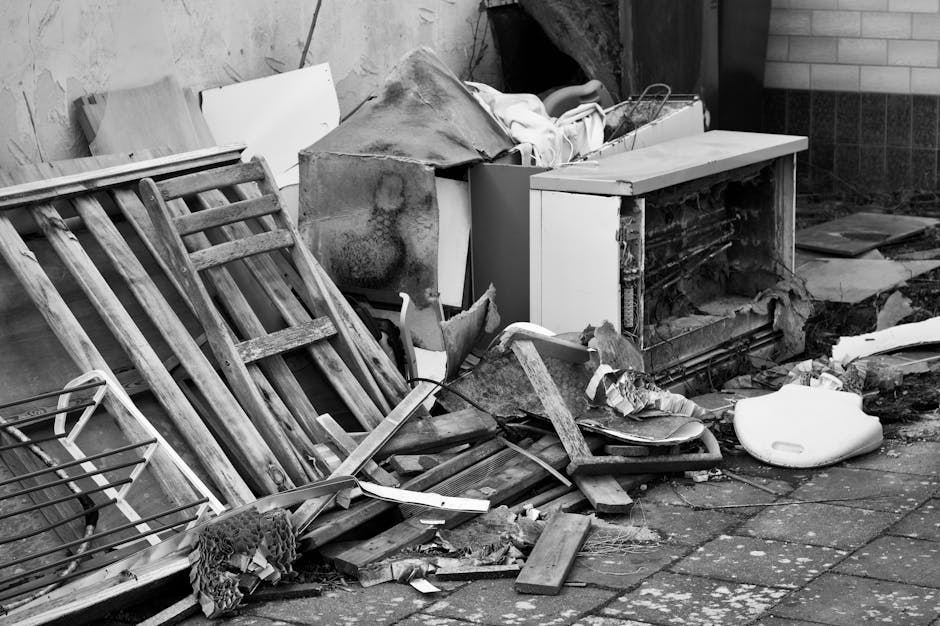
Responsible disposal is especially relevant in offices where the contents have built up over several years. There may be layers of old equipment, packaging, archived material and dated furniture in the same room. Instead of treating that as a single pile, we work through it in manageable sections and separate what can sensibly be diverted away from general waste. That organised approach keeps the job cleaner, clearer and easier to complete.
Office clearance pricing and job scope
 Pricing for office clearance depends on the size of the job, the volume and type of items, access conditions and the amount of sorting involved. A compact room with standard furniture will usually be simpler than a multi-room office containing mixed storage, heavy cabinets and old equipment. The best quotations are based on a clear understanding of the work, because that allows the job to be priced around the actual task rather than a broad estimate that may not fit the site.
It also helps to consider whether the clearance is partial or complete. A partial job may involve removing only selected furniture, archive sections or redundant equipment, whereas a full clearance may include every remaining item in the premises. The difference matters because it changes the time required, the number of collection passes and the amount of sorting. If there are any items that must stay in place, making that clear early on avoids confusion and keeps the scope well defined.
When you want to move forward, the simplest route is to request a quotation once the main contents are known. If possible, list the main item types, the approximate amount of space they occupy and any access considerations. Then you can ask for a quotation with enough detail for the work to be assessed sensibly. If you prefer, you can also say whether the job is a one-room clearance, a suite-wide clear-out or a larger site with several storage areas.
About Blackwall
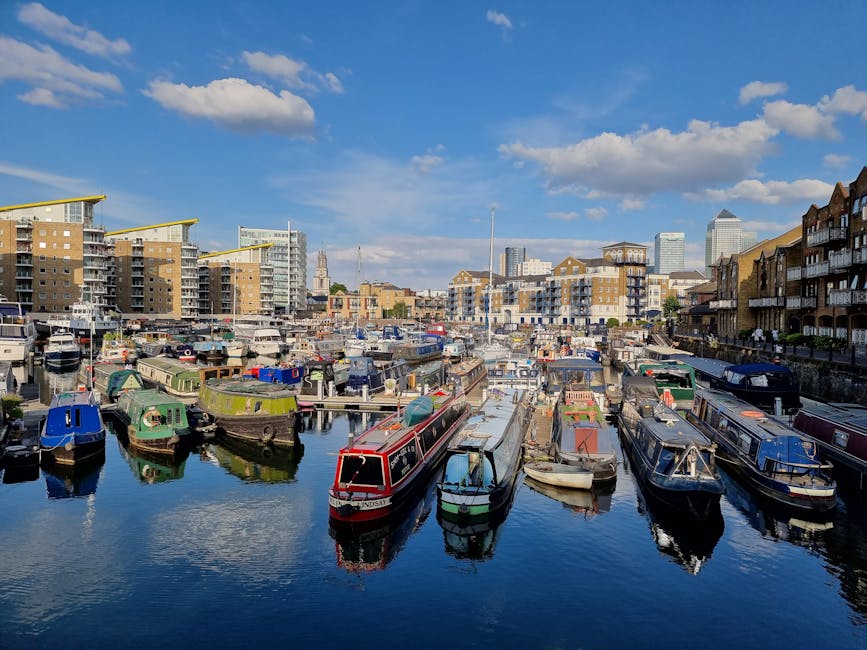
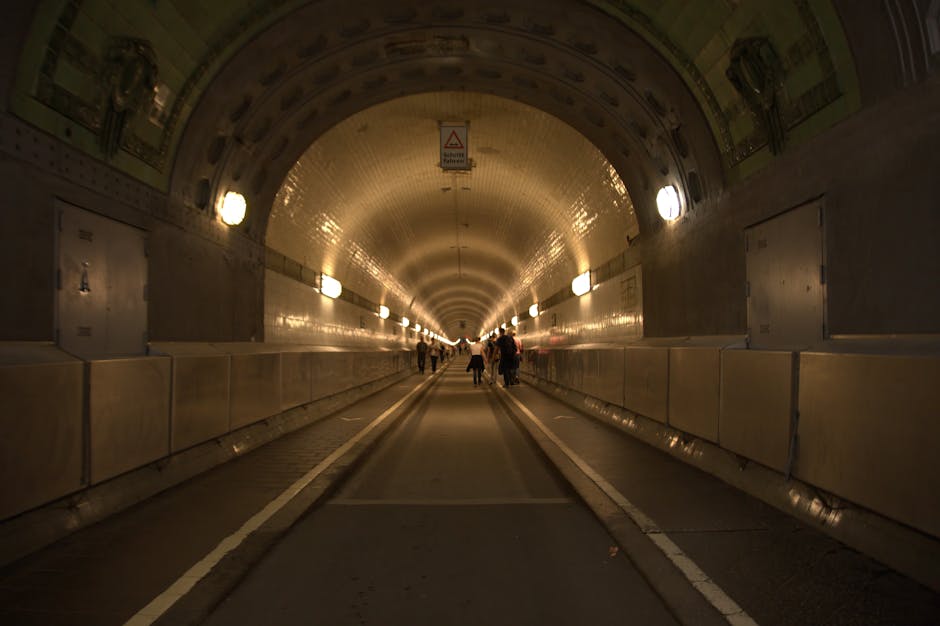
Blackwall sits on the western edge of the Isle of Dogs in east London, close to the River Thames and shaped by a long maritime and industrial history. The area is known for its riverside setting, the Blackwall Tunnel approach and its connection to the old Docklands landscape that once dominated this part of the capital. Much of the modern built environment reflects later regeneration, with residential blocks, business spaces and transport links now standing beside older traces of port activity and waterfront infrastructure. The locality has long been associated with movement across the river, trade and riverside industry, which gives it a distinctive place in London’s geography. The name is also linked to the former Blackwall Point and the wider history of eastward expansion along the Thames. In nearby streets and waterside routes, the character of the area shifts between contemporary redevelopment and reminders of its industrial past. The surrounding landscape includes dock basins, reclaimed land and prominent transport corridors that connect Blackwall with neighbouring parts of Tower Hamlets and the wider East End. The area’s riverside position means it forms part of a broader chain of places along the Thames where historic commerce, engineering and later redevelopment have all left visible traces. Today, Blackwall remains a compact but recognisable part of east London, with a setting that is strongly defined by the river, the tunnel approach and its relationship to Docklands.
Offices, landlords and planned clear-outs
Clearances for offices often work best when they are treated as a planned project rather than a last-minute clean-up. That applies whether the premises are occupied, recently vacated or being prepared for another tenant. A good plan helps decide which rooms will be cleared first, which items may need separating and how the work should be sequenced to suit the building. We keep the process practical so that the clearance fits around the site rather than forcing the site to fit around the clearance.
Landlords and agents frequently need clearances that leave the premises ready for inspection or subsequent works. In that situation, the most useful outcome is a room-by-room approach that avoids leaving loose pieces behind. Office chairs, shelving, desk modules, storage boxes and redundant fittings can all be dealt with in a consistent order. If there are items that should remain for handover, they need to be identified clearly so they are not removed by mistake. That simple distinction can save delays later in the project.
For mixed clear-outs, it is often sensible to keep one area free for items that are staying and another for items already confirmed for removal. That small bit of preparation makes the clearance easier to follow and helps everyone involved stay aligned. If you are comparing services, look for a team that can handle the practicalities of office contents without overcomplicating the process.
Handover planning, access and site conditions

Office clearance usually goes more smoothly when a few site details are available in advance. Access routes, parking or loading arrangements, lift use, floor level and opening times can all affect how the work is organised. If there are items with unusual dimensions or rooms with restricted entry, those details are worth noting before the job starts. The aim is not to gather unnecessary information, but to make sure the clearance can be carried out without avoidable delays or confusion.
In many commercial spaces, the most time-consuming part is not the lifting itself but the movement through the building. Shared entrances, narrow corridors and occupied common areas can all influence the order of work. That is why a sensible plan matters, especially where the office contains a mix of standard furniture, stored equipment and boxed contents. We keep the service focused on the actual items and the practical route through the site, which is usually what matters most to the customer.
If you are ready to proceed, send the key details and ask for pricing. A short description of the office layout, the items involved and any access limits is usually enough to begin. You can also state whether the clearance is partial, full or tied to a move-out date, so the quotation can reflect the real scope of work. For the most straightforward next step, request a quotation when you have the list together and we can take it from there.