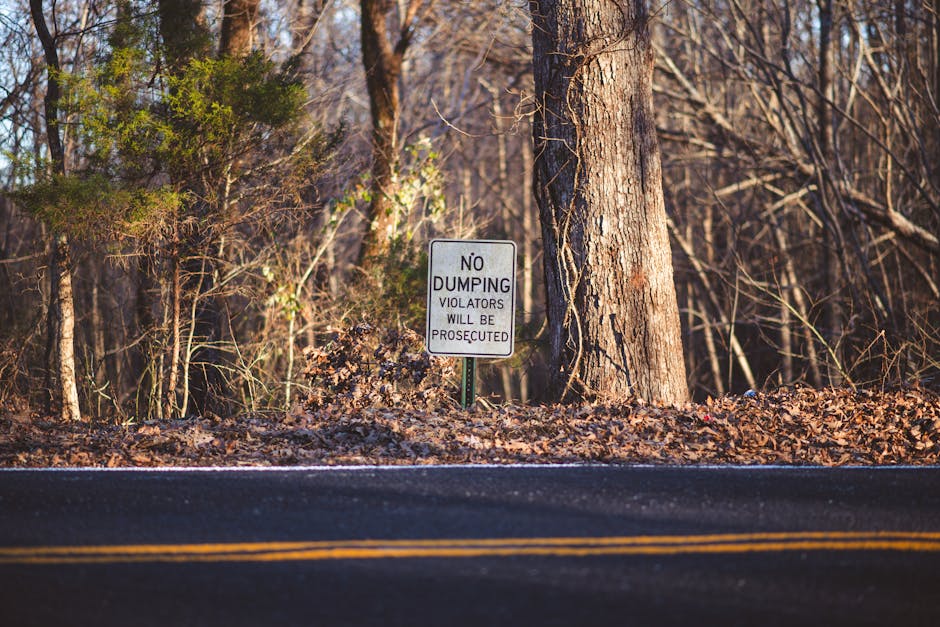
Fines for illegal dumping in Blackwall: Tower Hamlets enforcement
If you live, work, or manage property in Blackwall, illegal dumping is one of those problems that can go from annoying to expensive very quickly. A bag left beside a bin. A sofa dumped by a loading bay. Builders' rubble tipped after dark. It all looks small at first, then suddenly you are dealing with complaints, council action, and the risk of penalties. This guide explains Fines for illegal dumping in Blackwall: Tower Hamlets enforcement in plain English, so you can understand what counts as dumping, how local enforcement usually works, and what practical steps help you stay on the right side of the rules.
To be fair, most people do not set out to create a rubbish problem. They are often confused about what a proper disposal route looks like, or they assume someone else will deal with it. That is where trouble starts. The good news? Once you understand the basics, avoiding a fine is very manageable.
Table of Contents
- Why the issue matters in Blackwall
- How Tower Hamlets enforcement works
- Key benefits and practical advantages
- Who this is for and when it makes sense
- Step-by-step guidance
- Expert tips for better results
- Common mistakes to avoid
- Tools, resources and recommendations
- Law, compliance and best practice
- Options and comparison table
- Case study or real-world example
- Practical checklist
- Conclusion
- Frequently asked questions
Why Fines for illegal dumping in Blackwall: Tower Hamlets enforcement Matters
Illegal dumping is not just untidy. In a busy area like Blackwall, it can block pavements, attract pests, create safety hazards, and make a street feel neglected almost overnight. A single pile of waste can spoil the view from a whole row of homes or offices. If you've ever walked past a mattress beside a communal bin store on a damp morning, you will know the feeling. It is not pleasant.
For residents, the key concern is simple: what happens if dumped waste appears outside your building, or if your own waste is left out incorrectly? For landlords, managing agents, business owners, and contractors, the issue is even sharper because liability can become a real headache. Tower Hamlets enforcement exists to discourage fly-tipping, identify offenders, and make sure waste is handled responsibly.
The practical reason this matters is that fines are only part of the story. Enforced clean-ups, investigation time, repeat complaints, and reputational damage can cost more than arranging lawful disposal in the first place. In a city like London, where streets are tight and waste collections are under pressure, prevention is much easier than after-the-fact damage control.
Expert summary: if waste leaves your control and ends up dumped, you may need to prove you passed it to the right person, with the right paperwork, and that you took reasonable care. That is the bit people often miss.
How Fines for illegal dumping in Blackwall: Tower Hamlets enforcement Works
Enforcement usually begins with observation, reporting, and evidence gathering. If waste is found dumped in a public place, on a back lane, near bins, or around communal property, officers may look for labels, addresses, invoices, or other traces that connect the rubbish to a household, business, or contractor.
In practical terms, Tower Hamlets enforcement can involve fixed penalties, notices, or further action where there is repeated offending or more serious behaviour. The exact route depends on the facts of the case, the amount and type of waste, whether there is evidence of intent, and whether the waste appears commercial, domestic, or construction-related. That is why two situations that look similar on the street can be treated very differently.
If the waste came from a home move, a flat clearance, a loft clear-out, or garden work, the council may still investigate whether the person responsible made suitable arrangements. If it came from a business, the expectation is usually higher because businesses are expected to manage waste properly and keep records. In our experience, business cases tend to fall apart quickly when there is no paper trail. No invoice, no carrier details, no defence. Simple as that.
It also helps to understand what usually triggers attention:
- bags or loose waste left beside communal bins
- furniture or white goods abandoned after a move
- builders' waste tipped on pavements or service roads
- fly-tipped waste containing letters, labels, or receipts
- repeat complaints from neighbours or site managers
And yes, the little details matter. A shipping label, a takeaway receipt, or a trade sticker on a broken cabinet can be enough to guide an investigation. Not ideal when you thought the box was "just a box".
Key Benefits and Practical Advantages
Talking about fines can sound negative, but there is a positive side: knowing how enforcement works gives you a clear path to avoid trouble. That clarity is useful whether you are a tenant, a freeholder, a landlord, or someone managing a small business unit.
Here are the biggest practical advantages of understanding local enforcement:
- You reduce the risk of unexpected costs. Lawful disposal usually costs less than a fine, plus any follow-on clean-up expense.
- You protect your property reputation. A clean frontage is worth more than most people realise.
- You avoid stressful disputes. Good records make it easier to prove who arranged the waste removal.
- You improve safety. Less dumped waste means fewer trip hazards, broken glass risks, and blocked access points.
- You save time. Dealing with waste correctly the first time is far less disruptive than chasing a complaint later.
There is also a broader community benefit. When dumping decreases, streets feel better looked after, local businesses look more professional, and residents are less likely to feel they are battling a constant mess. Small thing, maybe. But in a place like Blackwall, where space is already at a premium, small things add up fast.
Who This Is For and When It Makes Sense
This topic matters to a wide range of people, and not all for the same reasons. If you are only thinking about the person who actually dropped the waste, you miss a big part of the picture.
It is especially relevant if you are:
- a homeowner arranging a clear-out
- a tenant moving out of a flat and unsure about bulky items
- a landlord or letting agent dealing with shared bins and abandoned waste
- a business owner with packaging, office waste, or stock to remove
- a contractor handling rubble, timber, or mixed builders' waste
- a facilities manager keeping communal areas clear
The topic also makes sense if you have already received a warning, complaint, or notice. Once enforcement enters the picture, the priority shifts from "what happened?" to "how do we show we handled this properly?" That is where calm documentation and a sensible disposal plan matter most.
For example, someone clearing a garage may be tempted to leave a few heavy items beside the bins, hoping they will disappear overnight. That is exactly the kind of move that can lead to a penalty. If you know in advance that bulky waste needs booking or proper collection, you can avoid the whole awkward mess.
Step-by-Step Guidance
Here is a straightforward way to handle waste in a way that lowers the risk of a fine or enforcement action. No drama, just a sensible process.
- Identify the type of waste. Separate household items, furniture, garden waste, business waste, and construction debris. They are not all treated the same way.
- Check what can go where. Some items can be reused, recycled, or collected separately. Others need specialist handling.
- Keep records. Save invoices, collection confirmations, and any details about the person or company taking the waste.
- Use a lawful removal route. Whether you use council services or a private clearance provider, make sure the arrangement is suitable for the waste type.
- Do not leave waste outside. If items are ready to go, keep them secure until collection day.
- Inspect communal areas after collection. If something is missed, deal with it straight away rather than letting it sit overnight.
- Act quickly if dumping appears on your property. Photograph it, report it to the relevant people, and avoid moving anything unless it is safe to do so.
One small but important point: if you hand waste to someone and they dump it illegally, you may still need to show you took reasonable care. That is why using a provider with clear terms and proper waste handling is not overkill; it is just sensible. You do not want to be the person asking, "How did this end up being my problem?"
Expert Tips for Better Results
These are the habits that save people trouble in the real world. They are simple, but they work.
- Book bulky collections before items become a nuisance. If the sofa is already by the door, you are more likely to rush and make a poor choice.
- Photograph waste before it leaves. A quick picture can help if a dispute comes up later. Nothing fancy.
- Separate clean recyclables from mixed waste. Cleaner streams are easier to manage and often easier to justify.
- Use one clear disposal plan for the whole property. Mixed messages create mistakes, especially in flats and shared buildings.
- Be careful with informal arrangements. A neighbour with a van may seem convenient, but if they dump the load, you may be left explaining yourself.
If you are handling a larger clearance, keep your paperwork together in one folder or one email thread. It sounds boring. It is boring. But boring is good when you are trying to avoid a fine.
And if you are unsure where to start, looking at properly structured services such as waste removal or the company's recycling and sustainability approach can help you think more clearly about the right disposal route.
Common Mistakes to Avoid
The mistakes are usually not dramatic. They are everyday shortcuts that seem harmless at the time. That is the sneaky part.
- Leaving items beside bins. Even "just for a few hours" can become an enforcement issue.
- Assuming someone else will move it. Shared buildings are full of assumptions. Usually none of them help.
- Using unverified removal help. If a collector cannot explain how waste will be handled, that is a red flag.
- Failing to sort business and domestic waste. Office waste, packaging, and trade waste need proper handling.
- Ignoring evidence after dumping. If letters, labels, or documents are visible, do not leave them lying around.
- Waiting too long to report dumping. Early reporting can make a big difference to clean-up and investigation.
Another common one: people think a pile of waste tucked out of the way is less serious if the street is quiet. Not really. Quiet streets still get seen, and once a complaint is made, the issue can move quickly. Sometimes quicker than people expect on a rainy Tuesday morning.
Tools, Resources and Recommendations
You do not need complicated software or specialist kit to manage this well. What you need is a practical system.
Useful things to have include:
- a phone camera for quick proof of condition
- a simple folder for invoices and collection notes
- bin store labels or notices for residents and staff
- a shortlist of approved removal options
- a clear contact point for reporting fly-tipping in a building or business unit
If you are arranging a clear-out rather than reacting to a dumping issue, it also helps to review relevant service pages in advance. For instance, a household moving from a flat may benefit from flat clearance, while a large family property may need house clearance. A loft stuffed with old boxes and broken furniture may point you towards loft clearance. If the clutter has spread to the garage or garden, garage clearance and garden clearance are worth looking at too.
For businesses, keeping waste controlled is often more about consistency than volume. A regular business waste removal arrangement can be easier to manage than a series of one-off emergency clear-ups. For work sites, builders waste clearance is particularly useful because debris tends to build up fast and create obvious enforcement risks if left behind.
There is no prize for improvising here. The people who avoid penalties are usually the ones who make a boring plan and stick to it.
Law, Compliance, Standards, or Best Practice
This section needs careful wording. Specific legal outcomes can depend on the circumstances, and you should not treat any article as formal legal advice. That said, the general expectation in the UK is clear: waste must be stored, moved, and disposed of responsibly, and anyone handing waste to another party should take reasonable care to use a legitimate route.
In practice, good compliance usually means:
- keeping waste off public land and communal access routes
- using proper collection arrangements for bulky or commercial items
- retaining records of who removed the waste and when
- avoiding informal or unverified disposal arrangements
- making sure staff, tenants, or contractors understand the rules
For businesses, compliance expectations are generally higher because commercial waste creates a clearer paper trail and greater duty of care. That applies to offices, shops, landlords, and contractors. If you run a premises, it is worth treating waste control as part of normal operations, not an afterthought. The tidy buildings are usually the ones with tidy systems behind them.
If you want a company overview before choosing a provider, the about us page can help you understand the background and approach of the business, while health and safety policy, insurance and safety, and terms and conditions are useful for checking how service commitments are framed. That is not exciting reading, granted, but it is the kind of thing that stops surprises later.
Options, Methods, or Comparison Table
When you are trying to avoid fines for dumping or deal with unwanted waste properly, there are a few routes you can take. The right choice depends on the volume, type of waste, and how quickly it needs to go.
| Method | Best for | Pros | Watch-outs |
|---|---|---|---|
| Council-led disposal routes | Smaller household waste or scheduled bulky item disposal | Structured process, familiar to residents | May require booking and timing discipline |
| Private waste removal | Mixed loads, urgent clear-outs, larger volumes | Flexible, convenient, often faster | You need to check the provider is suitable and transparent |
| Self-delivery to a suitable facility | People with access to transport and time | Direct control over timing | Labour-heavy, tricky with bulky items, easy to get wrong |
| Leaving waste at the point of generation | Nothing, really | None worth keeping | Highest risk of complaints, penalties, and clean-up costs |
If you are deciding between a few clearance options, commercial pages such as furniture clearance and furniture disposal are useful when bulky household items are the main issue. For home-wide clear-outs, home clearance can be the more flexible route. It depends on the mess in front of you, really.
Case Study or Real-World Example
Imagine a small block in Blackwall where two residents are moving out in the same week. Cardboard starts piling up in the lobby, an old desk is left near the bins, and a broken chair appears beside the entrance after a wet evening. Nothing dramatic, just a few items. But by the next morning, the area looks untidy and the building manager gets a complaint.
At that point, the issue is no longer just clutter. Someone has to determine whether the waste came from a tenant, a contractor, or a visitor. If there are labels on the cardboard or paperwork nearby, enforcement officers may have a lead. If no one kept a record of the removal arrangement, the building manager is left reacting instead of responding.
Now compare that with a different approach. The residents book a proper clearance, keep the items indoors until collection, take a photo of what was removed, and hold the receipt. The corridor stays clear. The manager has proof. No awkward conversations with neighbours. It is not glamorous, but it works.
This is the sort of small operational difference that keeps a simple moving week from turning into a much bigger problem. You can almost hear the sigh of relief when the bin store stays tidy.
Practical Checklist
Use this checklist before any clear-out or when you are dealing with dumped waste on your property.
- Have I identified the exact type of waste?
- Do I know where it should go legally and safely?
- Have I kept the waste secure until collection?
- Do I have written proof of the collection arrangement?
- Have I separated reusable, recyclable, and mixed waste?
- Have I briefed tenants, staff, or contractors if shared areas are involved?
- Have I taken photos in case I need evidence later?
- Have I checked whether bulky items need a specific service?
- Have I avoided leaving anything on the pavement or by the bins?
- Have I reported any dumped waste promptly?
If you can tick most of those off, you are usually in a much safer position. Not perfect, perhaps, but a lot better. And in this game, better is what you want.
Conclusion
Fines for illegal dumping in Blackwall are ultimately about responsibility, documentation, and common sense. Tower Hamlets enforcement is there to keep streets, estates, and business areas safe and usable, and the people who avoid problems are usually the ones who plan ahead, keep records, and refuse shortcuts.
If you are a resident, landlord, or business owner, the main takeaway is straightforward: use a proper disposal route, never leave waste where it should not be, and keep proof of what happened. That alone prevents a surprising amount of stress. It really does.
Get a free quote today and see how much you can save.
And if you want to understand more about the company behind the service before making a decision, you can also review the pricing and quotes page or get in touch through the contact us page when you are ready. A calm, tidy clearance is one of those small wins that makes the rest of the week feel lighter.
Frequently Asked Questions
What counts as illegal dumping in Blackwall?
Illegal dumping usually means leaving waste somewhere it should not be, such as on the pavement, by communal bins, in a rear alley, or on private land without permission. It can include household rubbish, furniture, building debris, white goods, and commercial waste.
Can I be fined if I put rubbish beside a bin?
Yes, you can. If waste is left beside a bin rather than placed inside it or collected through a proper arrangement, it may be treated as fly-tipping or improper disposal. Even if you thought someone would move it, that does not always help.
How does Tower Hamlets usually identify dumped waste?
Officers may look for labels, documents, packaging, receipts, delivery notes, or anything else that links the waste to a person, address, or business. Sometimes one small item is enough to create a trail.
Do businesses face stricter expectations than households?
Generally, yes. Businesses are expected to manage waste carefully and keep proper records. That means office waste, packaging, trade waste, and clearance rubbish should all be handled through an appropriate route.
What should I do if rubbish is dumped outside my property?
Take photos if it is safe, avoid moving hazardous items yourself, and report it quickly to the appropriate people. If you manage the property, keep notes of dates, times, and any visible evidence.
Can I avoid a problem by asking a friend with a van to take my waste?
Not necessarily. If your waste is dumped later, you may still need to show you took reasonable care. Use only a disposal route you can trust, and keep a record of what happened.
What paperwork should I keep after a clearance?
Keep invoices, collection confirmations, any service terms, and details of what was removed. For businesses, records are especially important because they help show the waste was dealt with properly.
Are bulky items like sofas and desks a problem if left outside briefly?
They can be. Bulky items draw attention quickly, especially if they block access or appear to be abandoned. It is much safer to keep them inside until a booked collection takes place.
Is it better to use a clearance service or try to handle it myself?
It depends on the size and type of waste, your access to transport, and how much time you have. For larger or mixed loads, a proper clearance service is often the calmer choice. Less lifting, less hassle, fewer mistakes.
What if I am clearing a flat, house, or garden and the waste is mixed?
Mixed waste is common. In that case, look at the most suitable service route and separate anything that can be reused or recycled. Pages such as house clearance, flat clearance, and garden clearance can help you think through the right option.
How can I reduce the chance of repeat dumping in a shared building?
Set clear instructions, label bin areas, keep collection times visible, and make sure residents or staff know where bulky waste should go. Regular communication helps more than people think. A small notice can save a lot of mess.
Where can I check the company's policies before booking?
You can review the website's health and safety policy, terms and conditions, privacy policy, and complaints procedure if you want a fuller picture before making a decision.