Same-day bulky waste removal in Blackwall -- what to expect
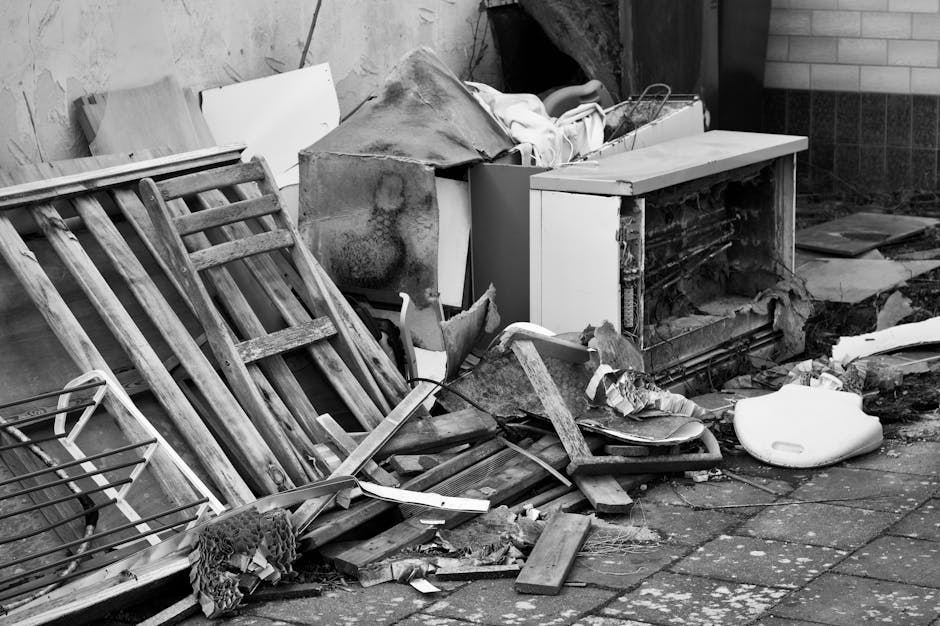
If you've got an old sofa blocking the hallway, a broken wardrobe leaning in the spare room, or a pile of office junk that needs to be gone before the day ends, same-day bulky waste removal can feel like a very welcome relief. In Blackwall, where homes, flats, and small business spaces often have tight access and little spare room, getting large items removed quickly is not just convenient - sometimes it's the only sensible option.
This guide explains Same-day bulky waste removal in Blackwall -- what to expect in plain English. We'll cover how the service usually works, what affects timing and price, which items are commonly taken, where people get caught out, and how to prepare so the job goes smoothly. If you want a quick, practical overview before booking, you're in the right place.
There's also a useful service and policy trail if you want to check details as you go, including pricing and quote information, recycling and sustainability commitments, and the company's health and safety policy. That sort of background matters more than people think. Truth be told, it often separates a tidy, stress-free removal from a messy one.
- Why same-day bulky waste removal matters
- How the service works
- Key benefits and practical advantages
- Who this is for
- Step-by-step guidance
- Expert tips for better results
- Common mistakes to avoid
- Tools, resources and recommendations
- Law, compliance, standards and best practice
- Options, methods and comparison
- Case study or real-world example
- Practical checklist
- Conclusion
- Frequently asked questions
Why Same-day bulky waste removal in Blackwall -- what to expect Matters
Bulky waste is the awkward stuff that won't fit in a normal bin collection: mattresses, wardrobes, desks, broken chairs, shelving, white goods, old office furniture, and the sort of heavy bits and pieces that quickly make a room feel cluttered. In a place like Blackwall, space is often at a premium. One unwanted item can dominate a flat, make access awkward, or slow down a move, refit, or end-of-tenancy clean.
Same-day removal matters because clutter has a habit of turning into a bigger problem than it first looks. A sofa left in the way can delay decorating. A stack of office chairs can make a workspace feel unfinished. An old cabinet stored in a hallway can become a trip hazard. And if you're dealing with a deadline - keys to hand back, a client visit, builders arriving, family coming over - waiting days for clearance isn't always realistic.
There's also a trust angle. Quick removals should still be careful removals. The right provider won't simply "take it away"; they'll assess access, lifting risks, disposal routes, and whether anything can be reused or recycled. That's where pages like insurance and safety information become worth checking before you commit. A fast service is only useful if it's also properly managed.
Key point: same-day bulky waste removal is about more than speed. It's about removing large items quickly without creating avoidable stress, damage, or compliance issues.
To be fair, nobody calls for bulky waste removal because life is calm and spacious. Usually it's because something's already in the way. So the real value is not just in the collection itself, but in how smoothly the entire process fits around your day.
How Same-day bulky waste removal in Blackwall -- what to expect Works
Most same-day bulky waste removals follow a simple pattern, though the details depend on access, volume, and item type. The process is usually faster than a traditional council collection because the appointment is built around immediate collection rather than a fixed municipal schedule.
Here's the typical flow:
- You describe the items. You may send photos, a short list, or a brief description of what needs removing.
- A quote is prepared. Pricing is usually based on volume, weight, labour, item type, and access. If you want a clearer sense of the pricing process, the site's pricing and quotes page is a sensible place to start.
- A collection window is agreed. Same-day often means "today, subject to availability," not "in the next 20 minutes." That distinction matters.
- The team arrives and assesses access. They'll check stairwells, lifts, narrow corridors, parking, and whether items need dismantling.
- Removal and loading take place. Good teams work methodically, protect floors where needed, and avoid dragging items through tight spaces unless they have to.
- Waste is taken for sorting. Reusable items may be separated from recyclable material, with disposal handled in line with local and industry best practice.
In Blackwall, access can be the tricky part. A property may have lift restrictions, loading bay limits, or a short distance from the front door to the vehicle. That is why the more accurate your initial description, the better the final experience tends to be. One blurry photo and a "few items" description can be a gamble, and not the fun kind.
You can also expect some practical questions from the collection team. For example: Is the item upstairs? Is it already outside? Does it contain glass, sharp edges, or electrical components? Can it be broken down before arrival? These aren't delays for the sake of it. They help the job go faster and safer.
If you're unsure whether something counts as bulky waste or needs a special handling approach, ask in advance. Items like fridges, freezers, and certain electrical goods may need additional sorting or treatment, while mixed office clearances can involve paper, metal, plastics, and furniture all at once.
Key Benefits and Practical Advantages
The big headline benefit is obvious: speed. But the real practical advantages go a bit deeper than that.
- Same-day relief: Clutter is removed before it has time to become a bigger issue.
- Less disruption: You can clear a room, hallway, or office floor without waiting around for days.
- Better use of space: Once the bulky items are gone, the room can breathe again. You notice it immediately.
- Lower stress during deadlines: Useful for move-outs, refurbishments, tenancy handovers, or business resets.
- Often more efficient than self-removal: No van hire, no heavy lifting by yourself, no guessing where to take the waste.
- Potential for reuse and recycling: Items in usable condition may be diverted from disposal where possible, which is better for the environment and often better for the conscience too.
There's a psychological side people underestimate. A cleared space changes how a property feels. You hear it in the room. Less echo. Less visual noise. More room to move. A small thing maybe, but it can make a big difference when you're trying to sort a home or office in a hurry.
For business customers, same-day clearance can also protect productivity. A reception area with unwanted furniture looks unfinished. A storage room jammed with broken desks becomes a bottleneck. Removing that clutter quickly can help the rest of the operation run more cleanly, even if the actual job only takes an hour or two.
If sustainability is part of your decision-making, the provider's approach matters too. Look for a company that explains how it handles sorting, recycling, and responsible disposal. The recycling and sustainability approach is worth checking if you want to know what happens after collection, not just during it.
Who This Is For and When It Makes Sense
Same-day bulky waste removal is not only for emergencies. It's for anyone who needs large, awkward items gone quickly and safely. In practice, that includes a pretty broad mix of people and businesses.
Common situations
- Tenants moving out who need to clear old furniture before handing back keys.
- Landlords and letting agents dealing with left-behind items after a tenancy.
- Homeowners clearing a garage, loft, spare room, or garden area.
- Office managers replacing desks, chairs, or filing units on a tight timeline.
- Retail or hospitality businesses refreshing back-of-house or storage areas.
- Families helping relatives downsize where timing and sensitivity both matter.
It makes sense when the cost of delay is higher than the cost of fast removal. For example, if a room needs to be handed over by evening, waiting for the next regular collection just doesn't stack up. Same if a bulky item is causing a safety issue or blocking access to something else you need to use.
It also makes sense when the job is too much for a standard car, too heavy for a pair of hands, or too awkward for the household schedule. Let's face it, most people don't keep a van, lifting straps, and a spare afternoon tucked away for this exact moment.
One useful distinction: same-day bulky waste removal is usually best for a focused job or a handful of large items. If you're dealing with a whole property or a full office floor, you may still want a same-day response, but you'll need to be realistic about what can be finished within one visit.
Step-by-Step Guidance
If you want the smoothest possible same-day removal, a bit of preparation goes a long way. Here's how to handle it without making a meal of it.
- Make a list of everything to go. Be specific: "one three-seater sofa, two office chairs, one broken chest of drawers."
- Take clear photos. Include the items, access route, and anything that might affect lifting.
- Check for special items. Electronics, fridges, gas-containing items, or anything with sharp parts may need extra handling.
- Measure access points. Hallways, stairwells, door frames, and lift widths can matter more than you expect.
- Separate anything you want to keep. Sounds obvious, but in a busy flat or office, things get mixed up quickly.
- Ask for the quote terms. Make sure you know whether the quote is fixed, estimated, or subject to site confirmation.
- Prepare a clear path. Remove small objects, loose cables, and trip hazards where possible.
- Be available for questions. A quick call back can save a lot of delay.
A decent same-day collection should feel straightforward, not theatrical. If the team needs to change the plan once they see the items, that's not automatically a red flag. Sometimes the original description was incomplete. The key is whether they explain the difference clearly and before any work goes ahead.
For payment-related details, it's worth reviewing the company's payment and security information. If a business is transparent about how payments are handled, it usually signals the same kind of clarity in the rest of the service too. Usually. Not always, but usually.
Expert Tips for Better Results
A few small choices can make the difference between a quick, tidy removal and a stressful one.
1. Photograph the awkward bits, not just the obvious items
People often send a picture of the sofa and forget the narrow corridor, the tight turn at the stairs, or the lift that is sometimes out of service. Those details matter. If the access is awkward, say so early.
2. Ask what can be reused or recycled
If a desk, wardrobe, or chair is still in usable condition, a sensible provider may separate it for reuse or recycling where appropriate. That's better than treating everything as the same kind of waste. It also helps keep the job aligned with modern disposal standards.
3. Prepare for the weather
It's a small thing, but in London a rainy afternoon can change the feel of a job entirely. Damp steps, wet pavement, and low visibility all slow things down a touch. Not much, just enough to notice.
4. Be honest about volume
If you think it's "probably a couple of items," but there's also a pile in the cupboard and two more things in the garden, say so. Underestimating volume is one of the quickest ways to create confusion on arrival.
5. Ask about safety and insurance
Any company moving heavy items through shared spaces should be able to explain how it protects people and property. A quick read of the health and safety policy and insurance and safety information can help you judge whether the provider takes the basics seriously.
Small tip, but a useful one: if you're in an apartment block, let neighbours know if access might be busy. It avoids that awkward lift-area shuffle where everyone is trying to be polite and in the way at the same time.
Common Mistakes to Avoid
Most bulky waste removal problems come down to poor preparation or assuming the job is simpler than it really is. Here are the most common mistakes people make.
- Not confirming access. A van may be able to park nearby, or it may not. Blackwall streets and loading conditions can vary a lot.
- Leaving the item description too vague. "A few bits" is not very helpful if one of those bits is a heavy filing cabinet.
- Forgetting about disassembly. Wardrobes, beds, and desks may need to be taken apart first.
- Assuming everything is standard waste. Electrical items and mixed materials may need separate handling.
- Not checking the quote basis. A low estimate can become frustrating if it changes significantly on arrival without a clear reason.
- Leaving items behind because they're "not quite ready." That's how collections turn into two separate jobs, which nobody really wants.
One particularly common issue is the "it should fit" assumption. A wardrobe may look manageable in theory, but once you factor in the angle of the hallway, the staircase turn, and the awkward door frame, things get complicated fast. Happens all the time. No drama, just reality.
Another mistake is failing to ask what happens if the team arrives and the access route is blocked. Good providers should explain their approach upfront, including whether they can wait, reschedule, or adjust the plan. That little bit of clarity can save a lot of back-and-forth.
Tools, Resources and Recommendations
You don't need specialist gear to arrange same-day bulky waste removal, but a few simple tools and resources make the process easier.
- Phone camera: clear photos of the items and access route.
- Tape measure: useful for doorways, stair turns, and larger furniture.
- Notebook or notes app: keep a list of items, questions, and any special instructions.
- Torches or good lighting: especially helpful in basements, storage rooms, or dim hallways.
- Basic gloves and sturdy shoes: if you're moving smaller pieces beforehand.
In terms of resources, a few pages can help you make a better decision before booking. If you want to understand how the company handles customer concerns, the complaints procedure is worth a quick look. It's not glamorous reading, sure, but it tells you a lot about how a company responds when things don't go exactly to plan.
For general site policies and accessibility details, you may also find the accessibility statement and cookie policy useful, especially if you prefer to know how the website and booking journey are handled. That might sound small, but smooth service usually starts before the van turns up.
If you are comparing providers, look for clear answers to three questions:
- How quickly can they attend?
- What exactly is included in the quote?
- What happens to the waste after collection?
If those answers are easy to find, that's a very good sign.
Law, Compliance, Standards, or Best Practice
Waste removal in the UK should be handled carefully and responsibly. You do not need to become a legal expert to book a collection, but it helps to understand the basic expectations.
At a practical level, a provider should be able to remove waste without causing unsafe lifting, damage to shared areas, or confusion over where the material is going next. They should also be able to explain how they sort and dispose of items in line with accepted waste handling practice. If a company talks openly about recycling and responsible disposal, that's reassuring.
There are a few general points worth keeping in mind:
- Duty of care matters: waste should go to an appropriate facility or treatment route.
- Safety matters: heavy lifting, sharp edges, and awkward access all need proper judgement.
- Documentation and clarity matter: customers should know what they are paying for and what is being removed.
- Insurance matters: if the job involves stairs, lifts, corridors, or shared entrances, risk controls are not optional extras.
It's also sensible to ask whether a provider has policies covering safety and ethical practice. The company's modern slavery statement may seem unrelated at first glance, but it helps show broader supply-chain responsibility. In other words, it tells you something about the standards behind the service, not just the truck outside.
Best practice is simple enough: clear communication, honest pricing, safe lifting, responsible disposal, and no surprises. If you get those five things, the rest tends to fall into place.
Options, Methods, or Comparison Table
People often weigh up a few different ways of dealing with bulky waste. Here's a straightforward comparison.
| Method | Best for | Pros | Limitations |
|---|---|---|---|
| Same-day bulky waste removal | Urgent clearances, single items, tight deadlines | Fast, convenient, low effort for the customer | May cost more than non-urgent options; depends on availability |
| Council collection | Non-urgent domestic items | Can be cost-effective | Usually slower, limited dates, item restrictions may apply |
| Self-haul to a waste facility | People with transport, time, and lifting help | Direct control over timing | Van hire, fuel, lifting, parking, and disposal logistics all fall on you |
| Full office or property clearance | Larger jobs with many items | Can handle mixed contents in one go | Needs more planning and may not be a true same-day fit |
If the job is small and urgent, same-day removal is usually the most practical choice. If the items are bulky but not urgent, you might compare options carefully and choose based on cost, timing, and convenience. There's no one perfect route for everyone. Sometimes the "best" choice is simply the one that lets you get your afternoon back.
For readers who want to compare service details before deciding, the site's main service page is a useful starting point. It helps you understand the wider service offering alongside the urgent removal options discussed here.
Case Study or Real-World Example
Imagine a small office near the Blackwall area preparing for a refit the next morning. Two old desks, three task chairs, a low cabinet, and a couple of damaged storage units need to be gone by the end of the day. The office team originally thought it would take all afternoon to sort out. Then they realised the lift access was narrow, and one cabinet still had drawers full of old files.
They sent photos, confirmed the items, and explained that access would be through a shared entrance with limited loading space. The collection team turned up, checked the route, and broke down one unit on site so it could be carried out safely. The waste was loaded, the floor area was cleared, and the space was ready before the painters arrived the next morning.
What made the difference? Not luck. Clear information, realistic expectations, and quick decisions.
That's the pattern you see again and again with same-day bulky waste removal. The more specific the brief, the smoother the outcome. Simple, really, though not always easy when you're trying to juggle calls, deadlines, and someone asking where the kettle has gone.
Another common scenario is a household clearing a spare room before a new tenant moves in. There's usually one mattress, one old chair, and a pile of "we'll deal with that later" items. Later arrives. Suddenly it's today. A same-day service turns that panic into progress.
Practical Checklist
Use this checklist before your collection is booked or before the team arrives.
- List every item that needs removing.
- Take clear photos from more than one angle.
- Measure doors, stairs, lifts, and tight corners if needed.
- Check whether any item needs dismantling.
- Confirm if parking or loading access is restricted.
- Separate anything you want to keep.
- Ask whether the quote is fixed or estimated.
- Check if electrical, heavy, or special items need separate handling.
- Review safety, insurance, and recycling information.
- Make sure someone is available to answer questions on the day.
If you can tick those boxes, the rest usually feels much easier. Not perfect, maybe, but easier - and that counts for a lot on a busy day.
Get a free quote today and see how much you can save.
Conclusion
Same-day bulky waste removal in Blackwall is one of those services that seems simple from the outside and then turns out to depend on a lot of small details: access, timing, item type, communication, and how carefully the provider works on site. When those details are handled well, the result is quick, tidy, and genuinely useful. That's the sweet spot.
If you're preparing for a move, an office refresh, a room clear-out, or just trying to get a stubborn pile of heavy items out of the way, focus on clarity first. Explain the job properly, check the quote, understand the safety and disposal approach, and choose a team that gives straight answers. A little prep now saves a lot of back-and-forth later.
And once the bulky waste is gone, the space often feels better than you expected. Brighter. Simpler. Easier to use. That's a nice feeling, honestly, and it tends to last.
Frequently Asked Questions
What counts as bulky waste in Blackwall?
Bulky waste usually means large household or business items that don't fit in a standard bin collection, such as sofas, wardrobes, mattresses, desks, chairs, shelving, and some electrical items.
Can same-day bulky waste removal really happen on the same day?
Yes, if there is availability and the job details are clear enough to schedule quickly. Same-day usually means collection later that day, not instantly, so timing depends on location and workload.
How should I prepare for a same-day collection?
Take photos, list the items, clear a path where possible, and make sure access details are accurate. If anything is too heavy, awkward, or hidden away, mention it upfront.
Is same-day bulky waste removal more expensive than a standard booking?
It can be, because urgent scheduling is more flexible and resource-intensive. The final price usually depends on volume, weight, access, item type, and how much labour the job requires.
What happens to the items after collection?
That depends on their condition and the provider's disposal process. Reusable items may be separated, and recyclable materials may be sorted out before the remainder is taken for disposal.
Do I need to be at the property when the team arrives?
Often yes, or at least someone should be available to confirm the items and answer access questions. Some arrangements can be made differently, but that should be agreed in advance.
Can you remove furniture from upstairs flats?
Usually yes, but the provider needs to know in advance because stairs, lifts, narrow corridors, and tight turns can affect the time, method, and sometimes the quote.
What if the item is too big to fit through the door?
It may need to be dismantled first, provided that is safe and practical. If dismantling is likely, mention it before the appointment so the team can plan for it.
Are electrical items treated differently from other bulky waste?
They can be. Items like TVs, fridges, freezers, and other electricals may require separate handling or sorting because they are not treated exactly like regular furniture.
How do I know the company is trustworthy?
Look for clear pricing, safety and insurance information, recycling details, and a visible complaints process. A business that explains its standards openly usually gives you a better sense of how it works in practice.
What should I ask before I book?
Ask what is included in the quote, when they can attend, how access is handled, whether special items cost extra, and what happens to the waste after it is collected.
Is same-day bulky waste removal suitable for offices as well as homes?
Yes. It's often used for office furniture, storage units, filing cabinets, and mixed clearance jobs where time is tight and the space needs to be usable again quickly.
Can I compare the service with council collection first?
Absolutely. If your items are not urgent, council collection may be worth checking. But if speed, flexibility, or access complexity matters, same-day collection is often the more practical route.
What if I have a complaint after the job?
You should use the provider's complaints process so the issue is recorded and handled properly. A clear procedure is a good sign that the company takes service recovery seriously.
For a quick next step, check the service details, review the quote information, and make sure the access is clear. Small things, yes - but they make all the difference when the van pulls up and the clock is already ticking.