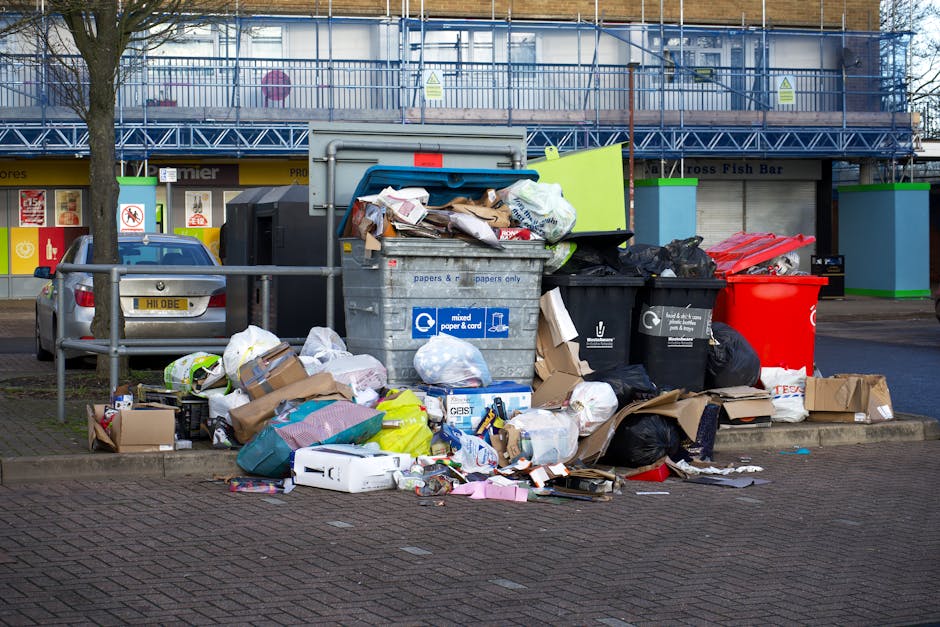
Tower Hamlets bulky waste rules Blackwall residents must know
If you live in Blackwall, bulky waste can turn into a small headache very quickly. One old sofa, a broken wardrobe, or a stack of flat-pack packaging suddenly becomes "where on earth does this go?" territory. The Tower Hamlets bulky waste rules Blackwall residents must know are there to keep streets clear, collections orderly, and fly-tipping under control. But to be fair, the details are not always obvious when you just want the mess gone.
This guide breaks the process down in plain English. You will learn what counts as bulky waste, how collection rules usually work, what to check before booking, what to avoid leaving out, and when a professional clearance service may be the easier route. We will also cover practical mistakes, compliance basics, and a few real-world tips that save time, hassle, and the awkward "can you take this too?" moment at the kerb.
Table of Contents
- Why Tower Hamlets bulky waste rules Blackwall residents must know Matters
- How Tower Hamlets bulky waste rules Blackwall residents must know Works
- Key Benefits and Practical Advantages
- Who This Is For and When It Makes Sense
- Step-by-Step Guidance
- Expert Tips for Better Results
- Common Mistakes to Avoid
- Tools, Resources and Recommendations
- Law, Compliance, Standards, or Best Practice
- Options, Methods, or Comparison Table
- Case Study or Real-World Example
- Practical Checklist
- Conclusion
- Frequently Asked Questions
Why Tower Hamlets bulky waste rules Blackwall residents must know Matters
Bulky waste sounds simple enough until you are standing in a hallway with a mattress that will not fit round the corner. In Tower Hamlets, residents in Blackwall need to understand the local approach because bulky items are not treated the same way as everyday household rubbish. That matters for three practical reasons: safety, access, and responsibility.
First, bulky items can block communal walkways, pavements, and shared entrances. In a block of flats, one badly placed item can cause a nuisance for neighbours, cleaners, and maintenance teams. Second, some items need separate handling because of weight, sharp edges, or material type. A broken wardrobe is not just "big rubbish"; it can become a trip hazard if left out the wrong way. Third, if you get the disposal method wrong, you risk delays, extra cost, or being left with the item outside your door longer than planned. No one wants that, especially on a damp London evening when cardboard goes limp and the smell of old fabric starts to make itself known.
There is also the wider neighbourhood impact. Blackwall is a busy part of East London, with a mix of flats, homes, managed estates, and commercial premises. In places like this, good waste habits help everyone. A tidy collection area is less stressful, less likely to attract nuisance dumping, and far easier to manage when refurbishment or moving day rolls around.
Expert summary: The biggest mistake residents make is assuming bulky waste is just "extra rubbish." In reality, it is a separate disposal job with rules, access issues, and practical limits that are worth checking before you lift a thing.
How Tower Hamlets bulky waste rules Blackwall residents must know Works
At a practical level, bulky waste is usually anything too large for a standard household bin collection. Think sofas, wardrobes, tables, chairs, bed frames, mattresses, white goods, and similar items. The key point is that councils and private clearance operators may treat these items differently depending on size, material, and whether they contain electrical components or hazardous parts.
For Blackwall residents, the workflow usually starts with checking what the local collection route allows. Some councils offer bulky item collections by appointment, often with limits on quantity, type, and where the items must be placed. You may need to keep pieces accessible at ground level, separate them from general rubbish, and ensure they are ready at the right time. If you are in a flat, the collection point may need to be outside the building rather than inside a shared lobby. That sounds obvious, but in practice it gets missed more often than people think.
It also helps to separate bulky waste into categories before you do anything else:
- Furniture: sofas, chairs, tables, wardrobes, drawers
- Mattresses and bed bases: often handled as bulky household items
- Appliances: fridges, washing machines, cookers, microwaves
- DIY and renovation waste: plasterboard, sinks, doors, units, offcuts
- Garden and garage items: broken tools, shelving, plant pots, old storage
In many real-life cases, the item type matters more than the size alone. For example, a bulky item collection may accept a sofa but not a bag of rubble, even if the rubble is smaller. Likewise, an old fridge may be accepted under a specific arrangement because of the refrigerant and electrical components. So the rules are not just about "big or small"; they are about what the item is and how it has to be handled safely.
If you are not sure whether something qualifies, a simple rule of thumb helps: if it would be awkward, heavy, or unsafe to place in your normal bin, treat it as bulky and check the right route before you move it. Saves a lot of faffing about.
Key Benefits and Practical Advantages
Following the correct bulky waste route is not only about staying tidy. It can actually make the whole job easier, cheaper in the long run, and a lot less stressful.
- Less risk of penalties or complaints: items left out improperly can cause problems in shared areas.
- Better access for neighbours and visitors: especially important in apartment blocks and narrow streets.
- Cleaner property handovers: useful when moving out, selling, or preparing a rental for new occupants.
- Safer handling of heavy items: fewer strained backs, fewer dents in walls, fewer "we'll just drag it" decisions that go sideways.
- More recycling potential: when items are sorted properly, they are easier to reuse or recycle where suitable.
There is another advantage people often overlook. Once you understand the rules, you can plan around them. That means less last-minute panic when a landlord inspection, estate agent visit, or builder's start date is suddenly next Tuesday. You know what can go where, what needs booking, and what should be set aside. Honestly, that little bit of certainty is worth a lot.
If your clearance is more than a single item, it may also be worth looking at broader options such as house clearance or flat clearance if the job covers multiple rooms rather than one bulky object. For furniture-heavy jobs, furniture clearance and furniture disposal are useful routes to compare.
Who This Is For and When It Makes Sense
This topic matters to more people than you might think. In Blackwall, bulky waste rules are relevant for renters, leaseholders, homeowners, landlords, letting agents, facilities teams, and small businesses. Different situations, same basic issue: a large item needs to go, and it needs to go the right way.
It especially makes sense to pay attention if you are dealing with any of the following:
- moving in or out of a flat
- clearing an unused spare room, loft, or storage cupboard
- replacing furniture after a refurb
- disposing of old office furniture from a home workspace
- sorting a garage or shed that has become a catch-all space
- preparing a rental property for new tenants
For landlords and agents, the big issue is turnaround. A delay with bulky waste can hold up deep cleaning, decorating, or viewings. For tenants, the issue is often move-out pressure and lift access. For homeowners, it is usually a mix of time, transport, and sheer physical effort. Let's face it: not everyone has a van, three strong friends, and a free Saturday.
If the items are from a business setting, such as desks, chairs, filing cabinets, or mixed workspace furniture, a dedicated office clearance or business waste removal approach may be more suitable than a domestic arrangement.
Step-by-Step Guidance
Here is the simplest way to tackle bulky waste in Blackwall without overcomplicating it.
- List every item. Write down what needs to go, including sizes if you know them. A quick photo on your phone helps too.
- Separate reusable, recyclable, and general waste. A serviceable chair may need a different route from a broken one. Same goes for electronics and white goods.
- Check access. Measure doorways, stairs, lifts, and parking access. A classic mistake is discovering the sofa will not turn the corner after the collection is booked.
- Decide on the disposal method. Choose between council collection, self-transport, or a professional clearance service.
- Prepare the items safely. Remove loose drawers, glass shelves, detachable legs, and sharp fittings where possible.
- Follow the placement instructions. If items must be left outside, put them where collection crews can reach them without blocking shared paths.
- Keep evidence of booking details. Time slots, confirmation messages, and access instructions can prevent confusion on the day.
One small but useful habit: keep bulky waste away from rain if possible. Wet upholstery, soggy chipboard, and damaged cardboard are much more awkward to move. You notice the weight difference immediately, and not in a good way.
If you are combining several types of waste, a broader waste removal service may be more efficient than booking each item separately. For larger home jobs, home clearance can be the cleaner, faster route.
Expert Tips for Better Results
Here are the little things that make a big difference. In our experience, these are the details people only learn after doing it the hard way once or twice.
- Group items by material. Wood, metal, textiles, and electricals are easier to process when separated.
- Break down furniture where safely possible. Flat-pack pieces, table legs, and removable panels reduce handling time.
- Label anything that is not obvious. A taped note saying "keep," "donate," or "do not remove" can save a lot of back-and-forth.
- Protect communal areas. Use blankets or cardboard when carrying large items through hallways to avoid scuffs.
- Plan around building rules. Some blocks have lift booking windows, concierge requirements, or loading restrictions.
Another useful tip: do not wait until the night before. If you have a big item sitting in the corner for weeks, it is tempting to ignore it. Then suddenly the deadline is close and the pressure is on. A small plan made early is always easier than a big rescue job made late.
For awkward spaces such as lofts, garages, or cluttered storage areas, use the right specialist route. A loft clearance can help where access is tight, while garage clearance is often the better fit for bulky mixed items and forgotten equipment.
Common Mistakes to Avoid
A lot of bulky waste problems come down to simple misunderstandings. Nothing dramatic. Just a few avoidable errors that snowball.
- Leaving items in the wrong place. A bin area is not always the same as the approved collection point.
- Mixing prohibited materials into a bulky pile. Some items need separate treatment, especially electricals or renovation waste.
- Assuming one booking covers everything. Some services limit the number or size of items.
- Forgetting access issues. Tight stairwells, parking restrictions, and lift rules can all change the plan.
- Putting items out too early. This creates a mess and, in some cases, a nuisance for neighbours.
- Not checking responsibility in rented homes. Sometimes the occupant, sometimes the landlord, sometimes the managing agent. It depends on the arrangement.
One common example is a tenant leaving a mattress and wardrobe in a shared courtyard "for collection tomorrow." If tomorrow slips, the items stay in view, and everybody gets annoyed. Not ideal. The safer route is to confirm the collection window and the exact staging point before moving anything.
Tools, Resources and Recommendations
You do not need a truckload of equipment, but a few simple tools make bulky waste handling safer and less painful.
- Measuring tape: useful for checking furniture dimensions and access routes
- Heavy-duty gloves: essential for sharp edges, splinters, and dusty old items
- Furniture sliders or a sack truck: handy for reducing strain on floors and backs
- Strong bin bags or rubble sacks: for smaller loose contents, if they are suitable for bagging
- Mask and wipes: practical for lofts, garages, and long-stored items that are dusty
On the planning side, a written room-by-room list works better than memory. People always think they will remember what is in the loft. Then half an hour later they are staring at a pile of lampshades, broken shelving, and a mystery box from 2018.
For jobs involving a mix of serviceable furniture and items that need careful disposal, it is worth reviewing both furniture clearance and furniture disposal so you can choose the most sensible route. If sustainability matters to you, take a look at recycling and sustainability to understand the broader approach to sorting and reuse.
Law, Compliance, Standards, or Best Practice
Bulky waste is not just a convenience issue; it touches on basic legal and environmental expectations in the UK. You do not need to be a compliance expert, but you do need to be careful about duty of care, safe presentation, and proper handling of waste that could be hazardous or difficult to recycle.
As a general best practice, residents should avoid leaving waste in a way that obstructs pavements, entrances, fire exits, or shared access routes. That is particularly important in flats and estates, where blocked space can create real safety issues. It is also wise to keep bulky items separate from normal rubbish unless the collection provider has clearly said otherwise.
For mixed waste jobs, especially where furniture, appliances, or renovation materials are involved, the safest approach is to use a provider that can explain what will be taken, how it will be handled, and what should be left aside. That is where clear terms, insurance, and health-and-safety processes matter. If you are comparing providers, pages such as insurance and safety, health and safety policy, and terms and conditions are worth checking before you book.
There is no need to be overly formal about it, but there is a sensible line: if an item is heavy, awkward, potentially sharp, or difficult to carry safely, do not improvise. Good practice beats a strained back every time.
Options, Methods, or Comparison Table
There is usually more than one way to dispose of bulky waste. The best choice depends on how much you have, how fast you need it gone, and whether access is straightforward.
| Option | Best for | Pros | Watch out for |
|---|---|---|---|
| Council bulky waste collection | Single items or a small number of standard household items | Simple for straightforward jobs; keeps disposal local | May have booking limits, timing windows, and item restrictions |
| Self-transport to a disposal point | Residents with a vehicle and time to sort items | Can work well for planned clear-outs | Requires lifting, loading, and careful sorting; not ideal for heavy or awkward furniture |
| Professional clearance service | Multiple bulky items, urgent removals, tight access, or mixed waste | Less stress, faster turnaround, suited to difficult access | Check exactly what is included and how items will be handled |
In Blackwall, professional help often makes sense where lifts are small, parking is limited, or the job involves more than a quick one-item pickup. If the clearance is tied to a property move, refurb, or inherited home, a fuller service such as house clearance may save time and reduce disruption.
Case Study or Real-World Example
A fairly typical Blackwall scenario goes like this. A couple in a two-bedroom flat decide to replace a sofa, an old bed frame, and two damaged dining chairs. At first, they assume it is one easy job. Then they realise the sofa does not fit down the lift cleanly, the bed frame needs dismantling, and the chairs are wobbly enough that carrying them as-is is a bad idea. Nothing dramatic, just one of those jobs that grows legs.
What helped them most was planning before moving anything. They measured the lift, checked the stairwell width, grouped the items by type, and decided which pieces could be dismantled. They also cleared the hallway first, which sounds basic but makes a big difference when you are turning a corner with a bulky item and muttering under your breath.
Because they had more than a single item and limited storage space, they chose a combined clearance approach rather than trying to manage each piece separately. The result was simpler access, faster removal, and far less disruption to neighbours. The lesson is straightforward: if the job is bigger than it first looks, step back and treat it like a small project, not a quick lift-and-go.
Practical Checklist
Use this before you book or move anything.
- Have I listed every bulky item that needs to go?
- Do I know which items are furniture, electricals, or mixed waste?
- Have I measured doors, stairs, lifts, and parking access?
- Do I know the correct collection point or storage area?
- Have I checked whether any item needs special handling?
- Are any items reusable, sellable, or suitable for donation elsewhere?
- Have I protected floors, walls, and shared areas during moving?
- Do I have the booking confirmation or agreed timeslot saved?
- Have I reviewed the provider's safety, payment, and terms information?
- Is the chosen method the simplest one for the amount of waste I have?
If you can tick most of those off, you are in good shape. If not, pause for a minute and sort the plan now. It will save you hassle later. A lot later, sometimes.
Get a free quote today and see how much you can save.
Conclusion
The Tower Hamlets bulky waste rules Blackwall residents must know are less about red tape and more about making a practical job manageable. Once you understand what counts as bulky waste, where it should go, and how to prepare it, the whole process gets a lot easier. That is true whether you are moving a single sofa, emptying a loft, or clearing an entire flat after a move.
The key is to plan early, separate items sensibly, and choose the right disposal route for the job in front of you. A little organisation goes a long way. And frankly, when a heavy wardrobe is involved, a little organisation is a very good thing indeed.
For readers comparing wider clearance options, it can also help to review about us and the available services before making a decision. If you want the simplest next step, start with the items you already know need to go, then work from there. Slow and steady usually wins this one.
Blackwall homes and flats are busy places, and the best clearance jobs are the ones that leave the space feeling calmer than before. That feeling, once the last item is gone, is hard to beat.
Frequently Asked Questions
What counts as bulky waste in Blackwall?
Usually anything too large or awkward for normal household bins, such as sofas, beds, wardrobes, mattresses, and large appliances. The exact acceptance rules can vary by collection method, so it is worth checking before you book.
Can I leave bulky waste outside my flat building?
Only if that is the agreed collection point and the items are placed safely and at the right time. In shared buildings, leaving items in the wrong spot can block access and cause complaints.
Do I need to dismantle furniture before collection?
Not always, but it often helps. If an item can be safely broken down into smaller parts, it is usually easier to move and less likely to damage walls or lifts. If dismantling is difficult, keep it intact and confirm the access plan first.
What should I do with broken white goods?
White goods often need careful handling because of electrical parts and, in some cases, refrigerants. Do not assume they can be treated like a sofa or chair. Check the collection route and separate them from ordinary household rubbish.
Is bulky waste collection free in Tower Hamlets?
That depends on the service being used and the current local arrangement. Some collection types may have fees, while others may be included under specific circumstances. Always check the current terms before making assumptions.
Can I mix garden waste with bulky waste?
Sometimes yes, sometimes no. It depends on the provider and the material type. Soil, rubble, timber, and large garden items can each be treated differently, so mixed loads should be checked carefully.
What if I live in a flat with no easy lift access?
That is a common Blackwall problem, and it changes the job quite a bit. You may need extra planning, a safer carrying route, or a service that can manage awkward access without turning the hallway into a wrestling match.
Can a clearance service take furniture and general waste together?
Often yes, provided the items are safe and allowed under the service terms. Mixed loads are common, especially during moving or redecorating, but it helps to list everything clearly in advance.
What is the safest way to move a heavy sofa?
Measure the route first, clear the path, wear gloves, and get help if needed. If it looks awkward or the route is tight, stop and rethink rather than forcing it. That tiny pause can save a cracked wall or a bad back.
When does it make sense to use a professional clearance service?
It usually makes sense when you have multiple bulky items, limited access, a tight schedule, or mixed waste that would be awkward to handle yourself. For larger jobs, it is often the least stressful option.
How do I know if my landlord or I am responsible for disposal?
Check the tenancy agreement, move-in inventory, and any instructions from the managing agent. Responsibility can vary depending on the item type and the circumstances, so it is better to confirm than guess.
What is the best first step if I have never arranged bulky waste before?
Make a simple list of the items and take measurements or photos. That alone gives you a much clearer idea of whether you need a standard collection, a clearance service, or a more specialised option.